

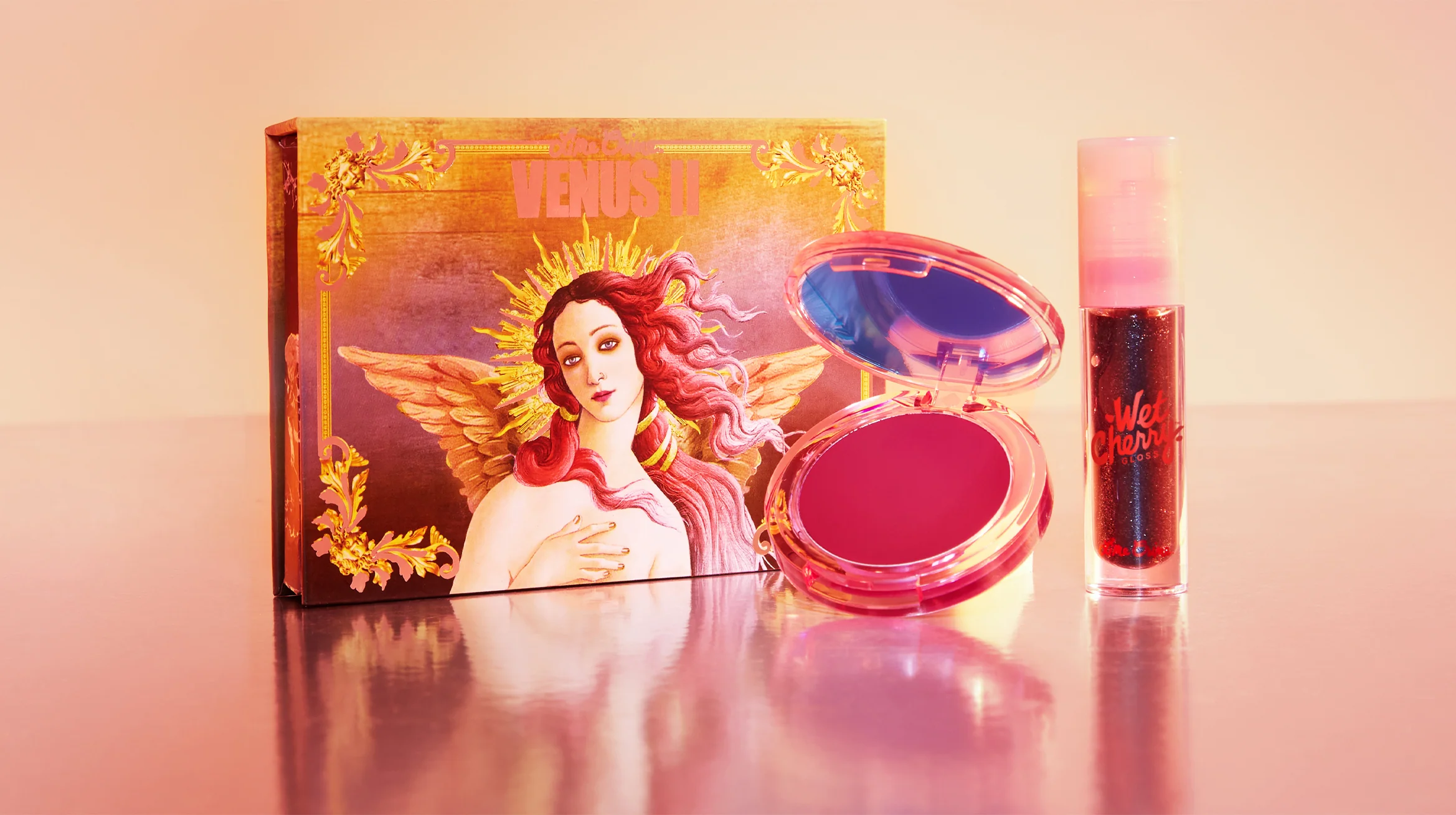
Lime Crime products are showing up on clearance. Items have quietly disappeared from the brand’s website. And across beauty forums and social media, people are asking the same question: is Lime Crime done?
The answer is more specific than a simple yes or no. Something real is happening at Lime Crime, but it is not what most people think. Here is a clear breakdown of what is actually going on.
Lime Crime Is Not Closing — It Is Dropping Its Makeup Line
Let’s get the most important point out of the way first. Lime Crime the company is still operating. It has not filed for bankruptcy. There has been no official closure announcement.
What is happening is that Lime Crime’s makeup and cosmetics line is being discontinued. That is a meaningful change, but it is not the same as the brand shutting down entirely.
The company is shifting its focus to hair color products, specifically its Unicorn Hair line. If you visit the official Lime Crime website right now, the brand describes itself as a “DIY Hair Dye & More” company. That language is intentional. It reflects where the business is headed.
So the short version: Lime Crime as a makeup brand is winding down. Lime Crime as a hair color brand is continuing. Those are two very different things, and it is worth being precise about the difference.
What a Product Discontinuation Actually Means — and How It Differs from Closing
When people hear that a brand is pulling products or going on clearance, they often assume the worst. But there are actually three distinct situations a brand can be in, and they lead to very different outcomes.
The three scenarios
- Permanent business closure: The company stops all operations, may file for bankruptcy, and ceases to exist as a legal or commercial entity.
- Product-line discontinuation: The company stops selling one category of products but continues selling others. The business stays open.
- Brand pivot: The company changes its primary focus from one area to another, often retiring old products in the process.
Lime Crime appears to be doing a combination of the second and third. It is discontinuing cosmetics and pivoting toward hair color. The company is not closing.
Think of it like a restaurant that drops its lunch menu but stays open for dinner. The menu changed. The restaurant did not disappear.
What gets mistaken for a shutdown
Several signals often trigger shutdown rumors, even when no shutdown is happening. You will recognize all of them in what is happening with Lime Crime right now.
- Products going on clearance at major retailers
- Items being removed from the brand’s own website
- Retailers stopping restocks of certain products
- Limited availability and “while supplies last” messaging
These are signs of a sell-through phase — the process of clearing out remaining inventory before formally exiting a product category. They are not evidence that the company is collapsing. This is a standard business move when a company decides to exit a market segment.
Why Shoppers Think Lime Crime Is Going Out of Business
The confusion makes sense when you understand Lime Crime’s history. The brand built its entire public identity around bold, unconventional color cosmetics. Bright lipsticks, vivid eyeshadow palettes, and experimental shades were its signature. That was the product most customers associated with the name.
When that core product line starts disappearing from shelves and websites, it feels like the brand itself is gone. For many long-time customers, the makeup was Lime Crime. Seeing it vanish naturally leads to the conclusion that the brand is over.
The timing also played a role. As makeup products started showing up on clearance at retailers like Ulta, shoppers drew a logical but inaccurate conclusion. Clearance equals closing, in the minds of many consumers. That assumption is understandable but not always accurate.
Lime Crime also has a long history of public controversy, which means the brand tends to attract more scrutiny than average whenever any negative signal appears. A brand with a clean reputation might quietly exit a product category without anyone noticing. Lime Crime does not have that luxury. Any shift gets amplified quickly online.
Social media moves faster than official brand communications. By the time Lime Crime’s positioning as a hair brand becomes widely understood, the “going out of business” narrative had already spread. That gap between what is happening and what people are saying is one of the defining challenges of brand management in the current environment.
Who Owns Lime Crime Now, and What Happened to Doe Deere
A lot of people still associate Lime Crime entirely with its founder, Doe Deere. She created the brand and shaped its original identity, including the bold aesthetic and the name itself. But she is no longer part of the business.
Doe Deere sold the company years ago. She holds no stock and has no operational role. The current direction of the brand — moving away from cosmetics and toward hair color — reflects decisions made by the current ownership team, not Doe Deere.
This matters for a specific reason. Some of the online discussion about Lime Crime mixes up old controversies tied to Doe Deere with what is happening to the company today. Those are separate issues. The founder’s past decisions do not explain or predict what current owners are choosing to do with the brand.
If you are trying to understand why Lime Crime is exiting cosmetics, look at current market conditions, the brand’s competitive position in makeup versus hair color, and the strategic choices of the current ownership — not the history of someone who left the company years ago.
Where You Can Still Buy Lime Crime Products Right Now
If you are a Lime Crime customer trying to figure out what you can still get, here is the practical breakdown.
Hair color products
The Unicorn Hair line is still available through the official Lime Crime website. This is the core product the brand is keeping. If you use Lime Crime for hair dye, your supply is not going away.
Remaining makeup inventory
Some Lime Crime makeup may still be available through retailers while current stock lasts. Ulta has carried the brand, and during a sell-through phase, remaining cosmetics inventory often shows up at reduced prices. That will not last indefinitely.
Once the current makeup stock sells through, it will not be restocked. The brand is not planning to continue manufacturing or distributing cosmetics. What is on shelves now is likely all that will be available.
If you have a specific Lime Crime makeup product you want to keep buying — a lipstick shade, an eyeshadow, anything from that line — act now rather than assuming it will still be there in a few months. It probably will not be.
What This Situation Can Teach You About Reading Brand News
Lime Crime is a useful case study for anyone who follows business or consumer brands closely. The gap between “a brand is discontinuing a product line” and “a brand is going out of business” is large, but it collapses quickly in online conversation.
Clearance sales, product removals, and retail delistings are all normal parts of how a company exits a market segment. They look alarming from the outside, especially for a brand with a loyal customer base and a history of public attention.
The cleaner way to evaluate these situations is to ask a few direct questions. Has the company filed for bankruptcy or announced a closure? Is the company’s website still active and selling anything? Has any official statement been made about the scope of the change? Those answers tell you more than clearance pricing or social media speculation.
For more business analysis and practical coverage of brand developments, visit Young Business Mag.
The Bottom Line
Lime Crime is not going out of business. The makeup line is being discontinued, and the brand is pivoting to focus on hair color products, primarily Unicorn Hair. Current ownership is making a strategic shift, not shutting the company down.
If you want Lime Crime cosmetics, act quickly — remaining inventory is in a sell-through phase and will not be replenished. If you use Lime Crime hair dye, the brand and its products appear to be staying active.
The confusion is understandable, but the facts are fairly clear once you separate a product exit from a corporate closure. Those are different things, and in this case, it is the product line that is ending — not the company.
Read Also:
