

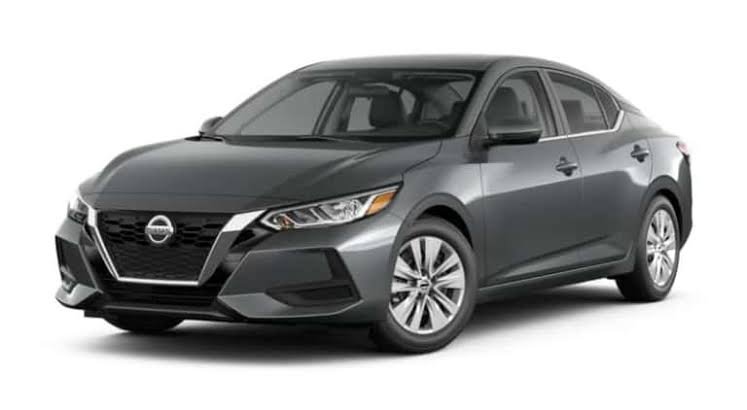
Nissan has been all over the news lately — layoffs, plant closures, production cuts, and leadership changes. It is easy to see why people are asking whether the company is about to collapse. The short answer is no, Nissan is not going out of business. But the longer answer matters, especially if you own a Nissan, plan to buy one, or work in an industry connected to the brand.
This article covers what actually triggered the concern, what Nissan has publicly announced, what the Re:Nissan recovery plan involves, and how to tell the difference between a company under serious financial stress and one that is actually shutting down.
Nissan Is Not Closing, But It Is Under Real Financial Pressure
Let’s be direct: Nissan has not filed for bankruptcy. No liquidation has been announced. The company is not closing its doors.
What is happening is that Nissan is in what has been described as “emergency mode.” That phrase sounds alarming, but it has a specific meaning in a business context. It means the company recognized that its financial situation was serious enough to require fast, aggressive action. That is not the same as shutting down.
The moves Nissan has been making — cutting jobs, reducing production capacity, and closing facilities — are restructuring decisions. Companies do this when they need to reduce costs quickly and stabilize their operations. It is painful, especially for the employees involved, but it is a survival strategy, not a shutdown announcement.
The distinction matters. A company can be in real trouble and still continue to operate, sell products, and honor its obligations. That appears to be where Nissan stands right now.
What Nissan Actually Announced in Late 2024
In late 2024, Nissan made a series of significant announcements that set off a wave of concern. Here is what was actually reported:
- Nissan announced approximately 9,000 job cuts globally
- The company planned to reduce global production capacity by 20%
- U.S. models including the Rogue and Frontier were among those facing production reductions
- Sales had been declining, and the company was reporting significant losses
These are serious numbers. A 20% production cut and 9,000 layoffs are not minor adjustments. They reflect a company that had let costs get out of line with its actual sales performance and needed to correct course fast.
But it is important to read these announcements for what they are. Reducing production of the Rogue does not mean Nissan is leaving the U.S. market. Cutting jobs does not mean the company is preparing to close. These were reactive business decisions made under real financial pressure — not a notice that the company is done.
Automakers regularly adjust production based on demand. The scale here is larger than usual, which reflects how serious the situation is, but the nature of the decisions is not unusual for a company going through a restructuring.
The Re:Nissan Plan and the 2025 Leadership Change
In 2025, Nissan made another major move: the company appointed Ivan Espinosa as CEO and launched a formal recovery strategy called Re:Nissan.
The Re:Nissan plan is a structured effort to rebuild the company’s financial position. Based on available reporting, it focuses on several key areas:
- Cost reduction across the business
- Manufacturing changes, including closing some production sites
- Workforce reduction, with the broader plan potentially reaching 20,000 employees total
- Product strategy shifts, including suspending some advanced development work
- Design studio closures as part of the broader consolidation
That workforce number — 20,000 — is significantly larger than the 9,000 announced in late 2024. It reflects how far the restructuring has expanded since the initial announcement. Suspending advanced product development is also notable. That means some future vehicle programs that were in planning may not move forward, at least not on their original timelines.
A new CEO paired with a named recovery plan signals something important: Nissan’s leadership and board are treating this as a turnaround situation, not a wind-down. Companies that are quietly preparing to shut down do not typically install new executives and publish structured recovery roadmaps.
Restructuring and Bankruptcy Are Not the Same Thing
This is probably the most important point in this article, because the confusion between restructuring and bankruptcy is what drives most of the “Is Nissan going out of business?” searches in the first place.
Restructuring means a company is changing how it operates — cutting costs, closing underperforming facilities, reducing headcount — to stabilize and survive. It is hard and disruptive, but it is a business decision made by a functioning company.
Bankruptcy is a legal process. It is filed in court when a company cannot meet its financial obligations. It has a specific legal definition and a public record. No such filing has been made by Nissan.
Think of it like a household going through a financial rough patch. If a family cuts back on spending, cancels subscriptions, and downsizes their home to get through a difficult period, that does not mean the household is collapsing. It means they recognized a problem and took action. The same logic applies here.
Large companies go through deep restructuring all the time and continue operating for decades. The process is painful — particularly for workers who lose jobs — but it does not automatically lead to closure. What matters is whether the underlying business has enough to build on, and whether the restructuring plan addresses the actual problems.
What This Means If You Own or Plan to Buy a Nissan
If you currently own a Nissan, the practical concern is usually around service, parts, and warranty support. That is a reasonable thing to think about.
Based on current information, Nissan is still operating its dealer network and honoring vehicle warranties. Restructuring at the manufacturing level does not immediately affect the ability to service existing vehicles. Parts supply and warranty obligations are typically protected even during major corporate restructuring processes.
If you are thinking about buying a new Nissan, the situation is worth monitoring but is not a clear reason to walk away. The Re:Nissan plan, if it works, is designed to stabilize the company and keep it operating. If the company were on the verge of true collapse, that would show up in more concrete signals — a bankruptcy filing, a credit default, or a formal announcement of exit from a market. None of those have occurred.
That said, it is reasonable to keep an eye on resale value and to follow developments as the restructuring unfolds. Being informed is always better than either ignoring the situation or panicking over headlines.
For more business news and practical analysis, Young Business Mag covers company developments and trends that matter to professionals and entrepreneurs.
Nissan Has Survived Major Crises Before
Nissan is not a startup. It is a long-established automaker headquartered in Yokohama, Japan, with decades of history in global markets. That does not mean past success guarantees future survival — it does not. But it does mean this is not the first time the company has faced a serious turnaround challenge.
Nissan has been through significant financial and leadership crises before and has come out the other side as a functioning, globally active company. That history does not make the current situation less serious, but it does provide context for how to assess it.
The current trouble is severe. The scale of the job cuts, the production reductions, and the leadership changes all point to a company that got into a difficult position and is working hard to get out of it. Whether Re:Nissan succeeds is a real question — recovery plans do not always work. But “under serious pressure with a recovery plan in motion” is a very different situation from “going out of business.”
The Bottom Line
Nissan is not closing. No bankruptcy has been filed, and no market exit has been announced. The company is dealing with genuine financial pressure and has responded with significant restructuring — including thousands of job cuts, production reductions, plant closures, and a new leadership team with a formal recovery strategy.
That is a serious situation worth paying attention to. But serious financial difficulty and going out of business are not the same thing. Reading the headlines carefully, understanding what has actually been announced, and separating restructuring from bankruptcy will give you a much more accurate picture than most of what is circulating online.
If you own a Nissan, continue maintaining your vehicle and monitor developments. If you are considering buying one, make an informed decision based on facts rather than alarming headlines. And if you follow business news professionally, Nissan’s situation is a useful case study in what corporate distress actually looks like — and how companies try to respond to it.
Read Also:
