

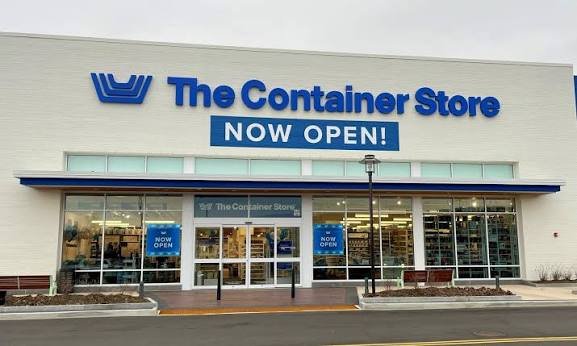
Bankruptcy headlines have a way of making people assume the worst. If you’ve seen news about The Container Store and wondered whether your local store is about to lock its doors, you’re not alone. The short answer is no — but the full picture is worth understanding.
This article covers what the bankruptcy filing actually meant, how the company moved through it, and what The Container Store looks like today. If you have a gift card, a pending order, or just want to know if the chain is still operating, here’s a clear breakdown.
The Short Answer: No, But the Company Has Been Through Serious Financial Trouble
The Container Store filed for Chapter 11 bankruptcy — not Chapter 7 liquidation. That distinction matters a lot, and we’ll explain it in detail below.
Chapter 11 is a legal process that allows a company to restructure its debts while continuing to operate. It is not a shutdown. The company has since exited bankruptcy and remains in business.
During the process, the CEO stated the company was “not going anywhere.” Stores stayed open. The website kept running. The better way to frame this is a financial reset, not a closure.
What Led to the Bankruptcy Filing
The Container Store didn’t file overnight. Years of declining sales, mounting losses, and growing cash flow pressure pushed the company to a point where it needed a formal fix.
At the time of the filing, the retailer had more than 100 U.S. locations. Despite that scale, the financial numbers weren’t working. The company needed to restructure its debt load before the situation got worse.
One notable detail: the company negotiated a prepackaged plan of reorganization before the filing. That means they had already lined up an agreement with key creditors before going to court. That’s a signal of intent to move through the process quickly, not wind things down. The bankruptcy filing also did not include the Elfa business in Sweden, which continued operating separately.
Chapter 11 vs. Chapter 7 — Why the Difference Matters
A lot of people hear “bankruptcy” and assume a business is done. That’s not always true, and the type of bankruptcy filing tells you a lot about what’s actually happening.
Chapter 11 allows a company to keep operating while it works out a plan to restructure its debts under court supervision. The business stays open. Employees keep working. Customers can still shop.
Chapter 7 is liquidation. That’s when a business actually closes, sells off its assets, and shuts down permanently. That is not what happened here.
Think of Chapter 11 like this: instead of locking the doors, the company goes to court to renegotiate what it owes while keeping the lights on. Many large retailers have used the same path and continued operating afterward. The Container Store followed that same route.
What Happened to Stores, Online Orders, and Gift Cards During the Process
This is where most shoppers have practical questions, and the reporting here is fairly clear.
- Stores stayed open throughout the Chapter 11 process.
- The website continued to accept and process orders.
- Customer orders, deposits, and scheduled installations were expected to be honored.
- Loyalty benefits and warranties were not reported as canceled during the restructuring.
If you had a gift card, a pending delivery, or a booked installation during this period, available reporting gave no reason to expect those would be wiped out. The CEO directly confirmed that normal operations were continuing and that the company was committed to its customers.
That said, if you have any active gift cards or pending commitments right now, it’s always worth checking directly with the company. Things can change after a restructuring, and getting confirmation from the source is the safest approach.
The Container Store After Bankruptcy — What the Business Looks Like Now
Here’s where things get more interesting. The Container Store didn’t just survive the process — it came out the other side with a restructured balance sheet and a new direction.
After exiting Chapter 11, the company shed approximately $88 million in debt. Ownership shifted from public shareholders to private lenders as part of the restructuring outcome. That’s a significant change in who controls the business, but it does not mean the stores are closing.
The store footprint remained largely intact. Only limited closures were reported as part of the process. The chain did not go through a mass shutdown.
More recently, The Container Store launched a nationwide overhaul across 98 stores, integrating Bed Bath & Beyond products into its retail format as part of a phased rollout. This is a strategic repositioning — the physical store network is being redesigned and restocked, not dismantled. The company appears to be trying to build a broader home organization and lifestyle retail identity.
That kind of store reset takes investment and planning. You don’t overhaul 98 locations if you’re planning to shut down.
What This Means If You Have a Local Container Store
If there’s a Container Store near you, the most likely scenario right now is that it’s still open or in the process of being redesigned. The company kept the majority of its locations through the restructuring and has since been actively updating stores rather than closing them.
There were some store closures during this period, but they were limited in scope. The chain was not liquidating its entire footprint. If your local store was one of the affected locations, you would likely have seen signage or direct communication about it.
The safest move is to check the company’s store locator directly if you’re unsure about a specific location. Don’t rely on general bankruptcy headlines to tell you what’s happening at a single store level.
What Business Owners and Managers Can Take Away From This
The Container Store’s situation is a useful case study for anyone running a business or watching the retail sector. A few things stand out.
First, financial distress and going out of business are not the same thing. Many companies file Chapter 11 and come out the other side with cleaner balance sheets and a clearer path forward. The process exists for exactly that reason.
Second, a prepackaged reorganization plan signals preparation. When a company walks into bankruptcy court with a deal already in hand, it typically moves through the process faster and with more control over the outcome. That kind of preparation reduces uncertainty for customers, employees, and suppliers.
Third, the post-bankruptcy pivot matters. Shedding $88 million in debt is one step. Rebuilding a retail concept that can actually generate consistent revenue is the harder job. The Bed Bath & Beyond product integration is a visible attempt to do that, but whether it succeeds will depend on execution and customer response over time.
For business coverage like this, Young Business Mag regularly covers company developments, retail trends, and practical business lessons worth following.
The Bottom Line
The Container Store is not going out of business. It went through a Chapter 11 bankruptcy, which is a debt restructuring process — not a liquidation. Stores stayed open during the filing, and the company has since exited bankruptcy with a lighter debt load and new ownership structure.
The business is now actively overhauling stores and integrating new product lines. That’s not the behavior of a company winding down. It’s the behavior of a company trying to rebuild.
Whether the new direction works is a separate question. But the idea that The Container Store is “going out of business” in the way most people mean it — closed doors, empty shelves, no way to shop — is not what the evidence shows. The company had a serious financial problem, went through a formal process to fix it, and is still operating.
Read Also:
