

In late 2025, headlines started circulating that “The Farmer’s Almanac is closing after 200+ years.” People panicked. Social media lit up. But the actual story is more specific — and a lot less dramatic — than those headlines suggested.
This article breaks down exactly which almanac is affected, what is actually ending, why it happened, and what it means for readers, gardeners, and retailers going forward.
Two Different Publications, One Big Confusion
Before anything else, let’s clear up the most common mistake people are making. There are two separate almanac publications, and they are not the same company.
- Farmers’ Almanac — founded in 1818, typically features a green or orange cover.
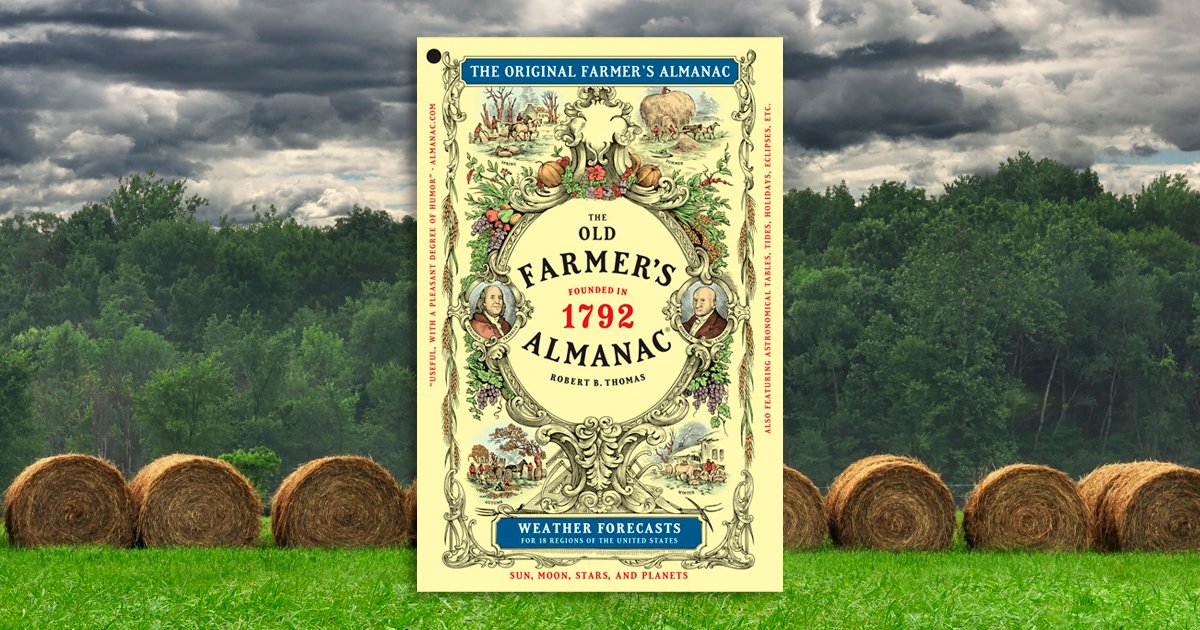
- The Old Farmer’s Almanac — founded in 1792, recognized by its yellow cover and the word “Old” in the title.
These are different businesses with different editorial teams. The shutdown news applies only to Farmers’ Almanac. The Old Farmer’s Almanac is not closing.
After the news broke, The Old Farmer’s Almanac took to social media to clarify this directly. They confirmed they are not closing, will continue publishing in both print and digital formats, and plan to be “around for generations to come.”
Good Housekeeping reported on this confusion specifically, noting how many readers conflated the two. If you’re unsure which one you’re thinking of, check the cover color and the exact title. That’s the fastest way to tell them apart.
What Farmers’ Almanac Actually Announced
On November 6, 2025, Farmers’ Almanac announced that its 2026 edition would be its last print booklet. That’s a significant change — but it’s not the same as the entire brand shutting down.
In their own words, the decision came down to “growing financial challenges of producing and distributing the almanac in today’s chaotic media environment.” The company pointed directly to the economics of print, not a failure of interest in the content itself.
Importantly, the Farmers’ Almanac website and digital content are described as “unaffected” by the decision. The brand is ending one specific format — the physical booklet — not the whole operation.
So to answer the headline question directly: no, Farmers’ Almanac is not going out of business entirely. It is ending its print edition after the 2026 issue.
Why a 208-Year-Old Print Publication Reached This Point
This didn’t happen overnight, and it’s not unique to almanacs. Print publications across nearly every niche have been under pressure for years. For a small annual booklet, those pressures compound fast.
Print Costs Don’t Scale Down Easily
Paper costs, printing, and physical distribution have all increased. For a large newspaper or magazine with significant ad revenue, rising costs are painful but manageable. For a niche annual guide with limited advertising, the math gets very tight very quickly.
An annual print run that might have been profitable in the 1990s can easily become a money-losing exercise today, even with the same or similar readership.
Free Digital Alternatives Took Over the Core Use Case
Think about what people traditionally bought the almanac for: long-range weather outlooks, planting calendars, moon phase charts, astronomical event dates. Today, all of that is available for free.
Weather apps give 10-day forecasts with hourly breakdowns. Government climate services publish seasonal outlooks. Gardening websites provide planting calendars tailored by zip code. The information hasn’t disappeared — it just moved online and became free.
A younger gardener planning their spring planting schedule is far more likely to search online than to buy a printed booklet at the hardware store.
This Is a Broader Industry Pattern
Farmers’ Almanac is not alone in this. Printed reference materials have been declining for years. Phone directories are essentially gone. Encyclopedias moved online. Annual printed guides in dozens of industries have either pivoted to digital or disappeared entirely.
The almanac’s situation fits this pattern exactly: a loyal but aging reader base, rising production costs, and free digital alternatives covering the same ground. The brand lasted 208 years in print, which is remarkable. But the economics of print publishing don’t reward loyalty — they respond to margin.
Older readers who built the habit of picking up a physical copy each fall represent a shrinking market. Younger audiences who might have become readers never developed that habit in the first place.
What Readers, Gardeners, and Retailers Can Expect After 2026
If you’re someone who uses the Farmers’ Almanac regularly, here’s what changes and what doesn’t.
For Regular Readers and Gardeners
The content you rely on — planting calendars, moon phase charts, long-range weather outlooks — should still be available on the Farmers’ Almanac website. The digital presence is reportedly continuing and unaffected by the print closure.
The practical shift is simple: instead of buying a booklet at the store, you’ll need to access that information online. Bookmarking the site or signing up for email newsletters is the most direct way to stay connected to that content going forward.
If you specifically want a physical almanac after 2026, The Old Farmer’s Almanac will still be available in print. It covers similar ground — long-range weather, planting guides, astronomy — and will continue to be sold at farm supply stores, bookstores, and other retailers.
For Retailers
Farm supply stores, hardware stores, and supermarkets that stock both almanacs as a seasonal item will lose the Farmers’ Almanac booklet from their shelves after the 2026 edition. They will still be able to carry The Old Farmer’s Almanac.
Retailers who regularly field questions from customers asking for “the farmer’s almanac” may want to prepare staff to explain the difference. A simple shelf tag or store note clarifying which title is available — and where customers can find the other online — could prevent a lot of customer confusion at the register.
For Tradition-Minded Customers
For many people, buying the almanac each fall was a ritual. Picking up a copy at the feed store, flipping through the weather predictions for the coming winter, keeping it in the kitchen or workshop. That specific experience ends with the 2026 edition of Farmers’ Almanac.
That’s a real loss for some customers, and retailers should take it seriously as a customer service issue rather than dismissing it. Acknowledging the change and pointing customers toward alternatives — including the digital version and The Old Farmer’s Almanac — goes a long way.
What Comes Next for the Farmers’ Almanac Brand
As of current reporting, no full shutdown of the Farmers’ Almanac brand has been announced. Only the print booklet is ending. What the digital-only future looks like in practice remains to be seen.
Plausible directions include continued website content, email newsletters, social media presence, and potentially branded calendars or other printed products sold separately from the annual booklet format. But none of those directions have been officially confirmed, so it’s worth treating them as possibilities rather than certainties.
What is confirmed is that the website stays up and the content continues online. For a brand with over two centuries of name recognition, there’s clearly still an audience — it just needs a different delivery model.
Publications and media businesses navigating similar transitions often find that the brand itself retains value even when the original format becomes unworkable. The Farmers’ Almanac name still carries trust with a specific audience, and that’s worth something in a digital content environment. For more coverage of business transitions like this one, Young Business Mag tracks how established brands adapt to changing markets.
The Bottom Line
Farmers’ Almanac is not going out of business. It is ending its print edition after the 2026 issue, citing the financial pressure of producing and distributing a niche print publication in a media environment that has shifted heavily toward free digital content.
The Old Farmer’s Almanac — a completely separate publication — is not affected and will continue in print and digital as normal.
For readers, the practical impact is a shift from a physical booklet to a website. For retailers, it means one fewer seasonal title on the shelf. For anyone who wants a print almanac after 2026, The Old Farmer’s Almanac is the straightforward alternative.
This is a business story about print economics, not a story about the end of weather forecasting or agricultural tradition. The information survives. Only the format is changing.
Read Also:
